Hakone · Japan
A former Imperial villa, now a ryokan of uncommon architectural integrity.
The bath is carved from the mountainside. The meal arrives in twelve courses, each one a quiet argument for paying attention. Gora Kadan was once a summer retreat for the Imperial family — and something of that original purpose remains: this is a place people come to recover themselves, not simply to rest. Hakone's volcanic forest holds the property on all sides.
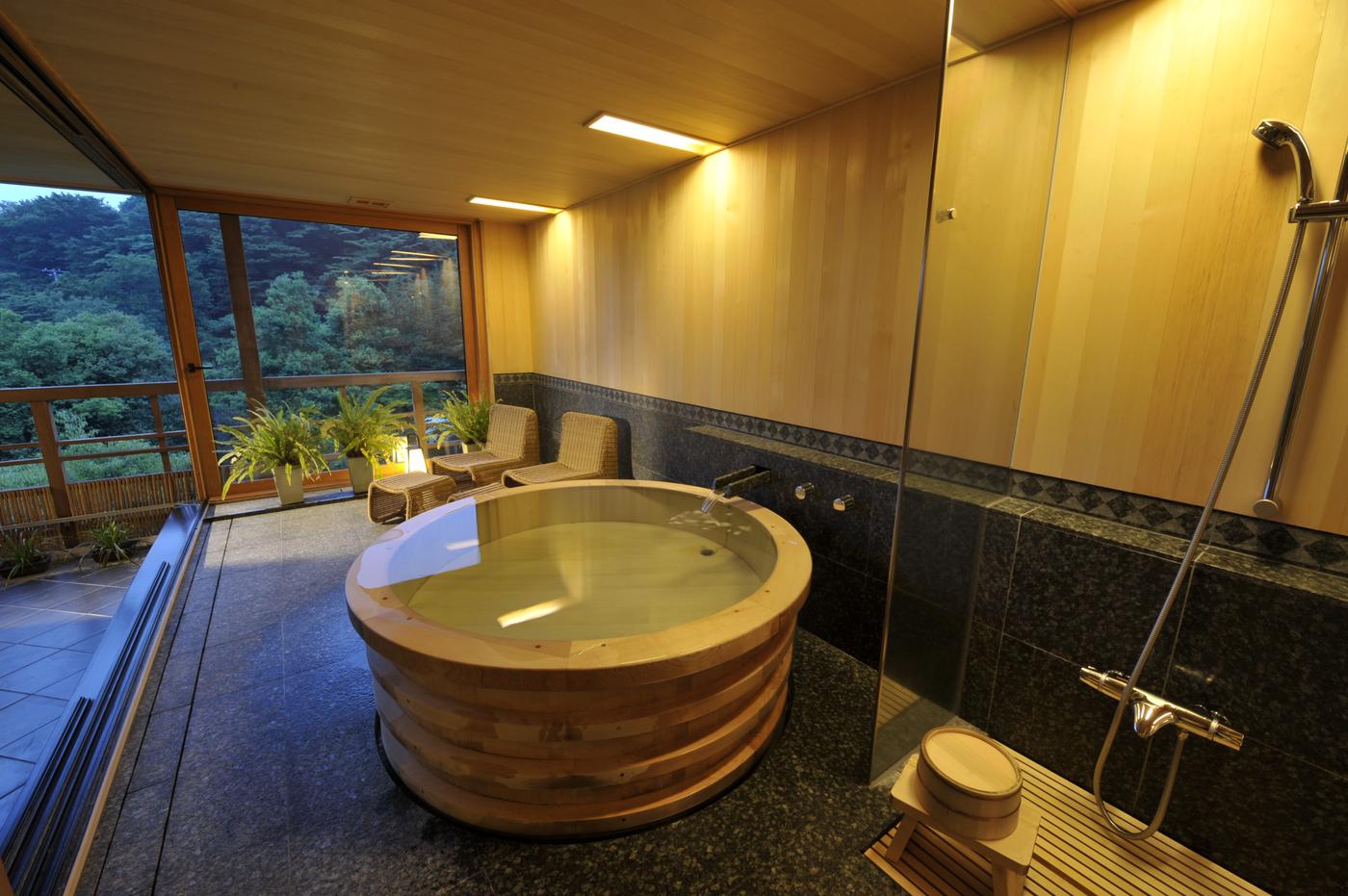
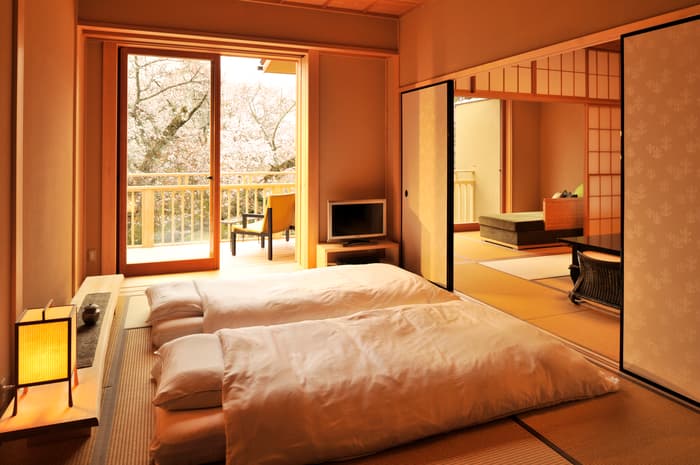
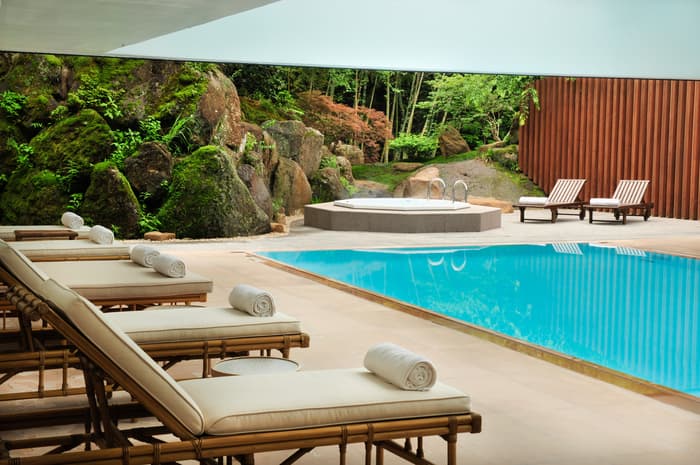
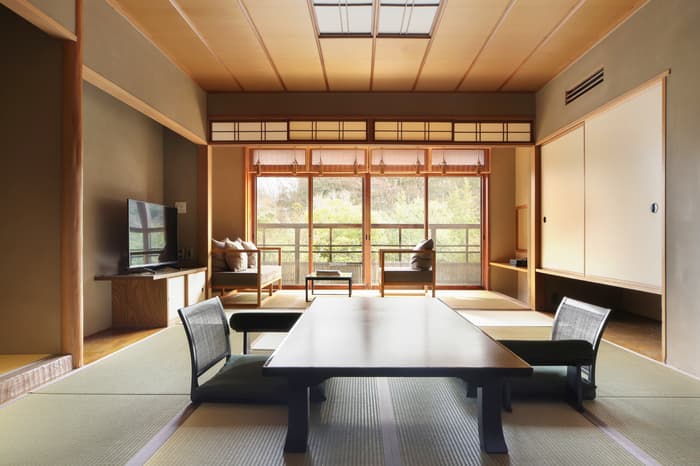
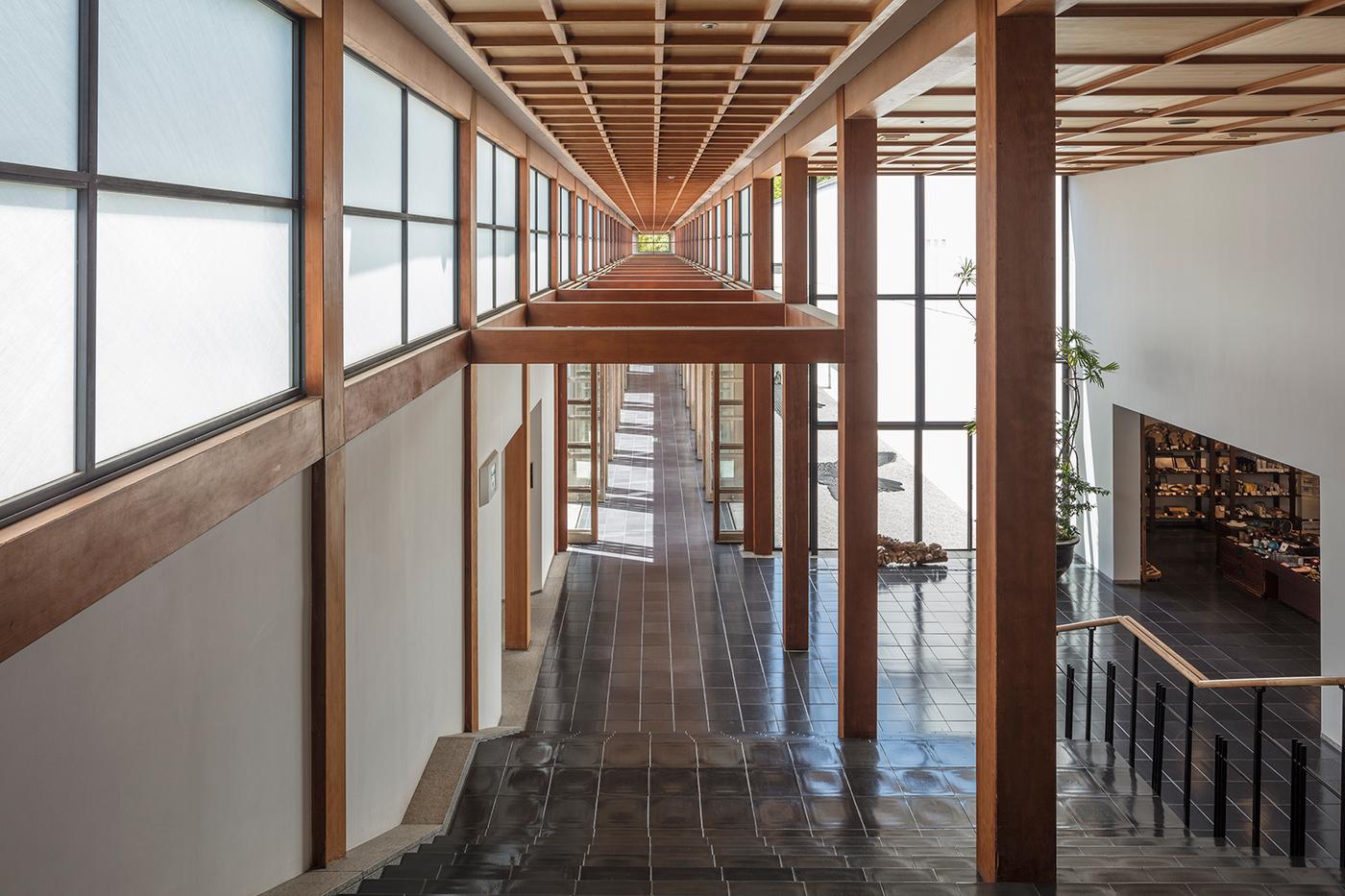
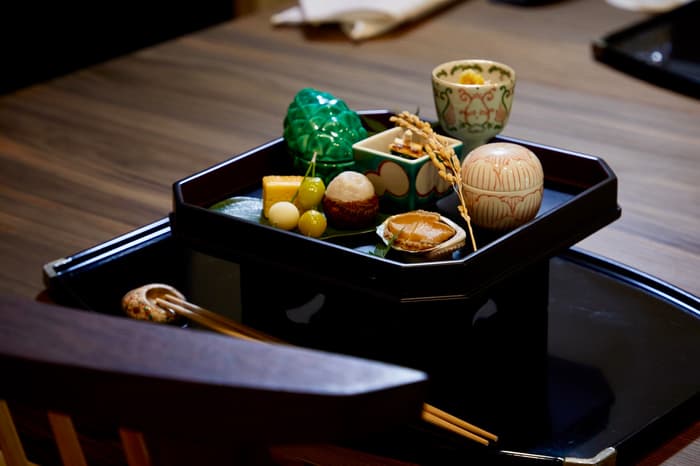
Gora Kadan occupies a particular position in Japanese hospitality — not because of its provenance, though the Imperial lineage is genuine, but because of what the architects and subsequent custodians chose to do with it. The Meiji-era bones were kept intact; what changed was the invitation extended to guests. Stone terraces step down the volcanic hillside with the logic of something grown rather than placed. The private rotenburo baths feel less like amenities and more like the point — hot water drawn from Hakone's geothermal depths, open to rain or fog or the particular silence of Japanese mountain mornings. The kaiseki program moves through the seasons with genuine precision: local producers, classical technique, nothing performed for effect. What distinguishes Gora Kadan from the broader category of architectural ryokan is restraint applied with full confidence. Nothing announces itself. The building, the landscape, and the rituals of the stay form a single continuous argument — one that the guest only begins to understand on the second day.
Fly into Tokyo Haneda or Narita, then take the Romancecar express from Shinjuku Station to Hakone-Yumoto — approximately 90 minutes total. Gora Station is a short taxi or funicular ride from there.
Late October through early December brings the turning of Hakone's maples, when the forested hillside around the property shifts into amber and rust — the season that best suits the contemplative register of a stay here.
From €600/night
Hakone, Japan
View stay →