Minakami · Japan
Hoshi Onsen Chojukan has operated without interruption since 1877.
The bathhouse floor at Hoshi Onsen Chojukan has been releasing spring water since before electricity reached these mountains. Cedar beams darkened by decades of steam, stone worn smooth by generations of guests — nothing here has been restored to look old. It simply is. Some buildings accumulate meaning the way wood accumulates color: slowly, without trying.
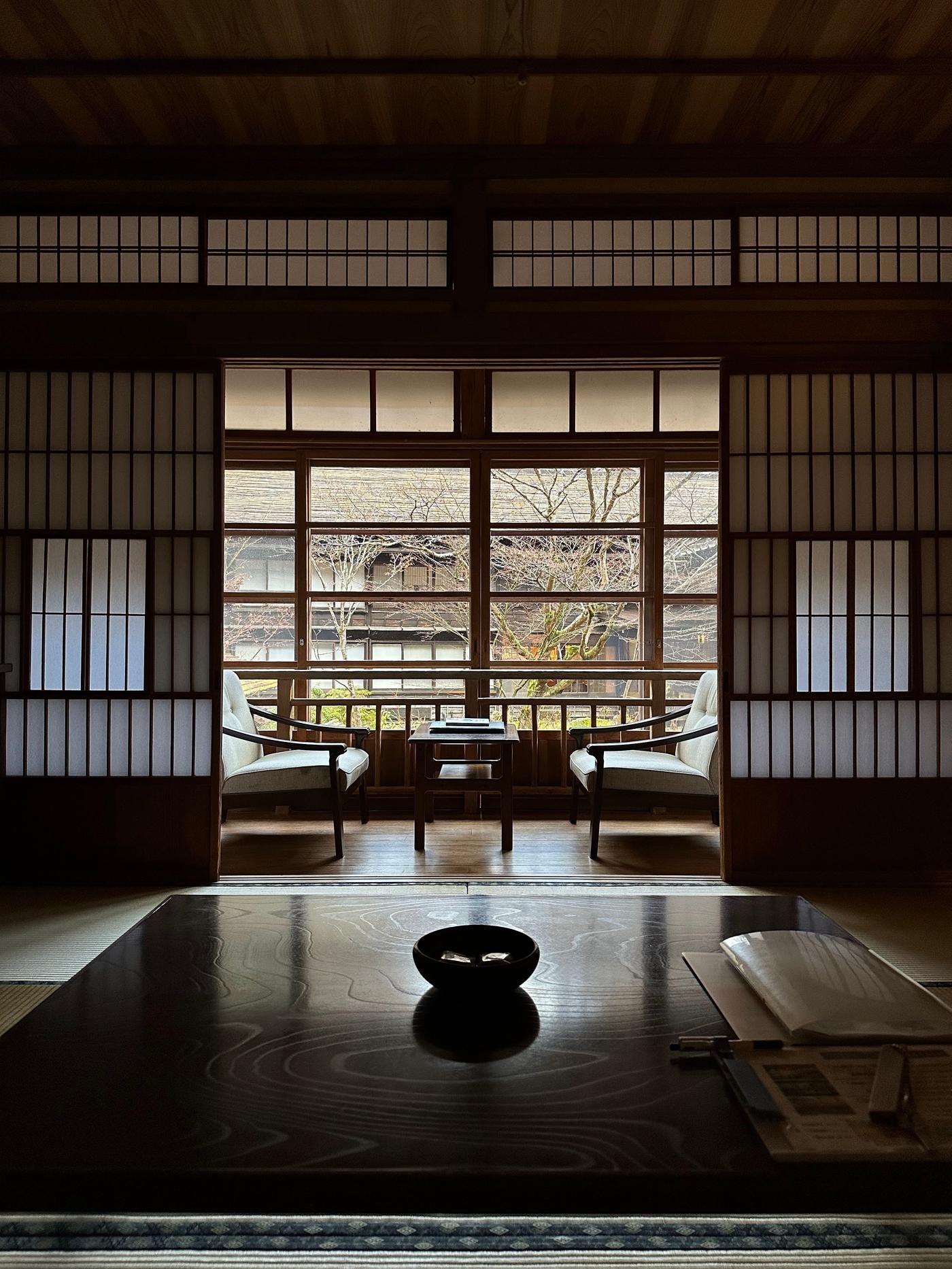
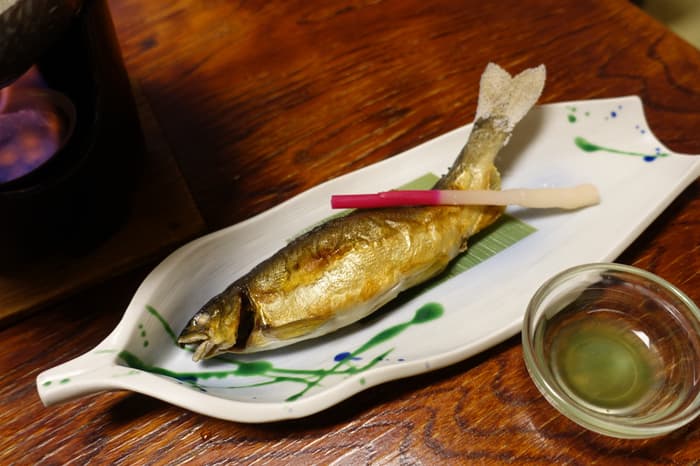
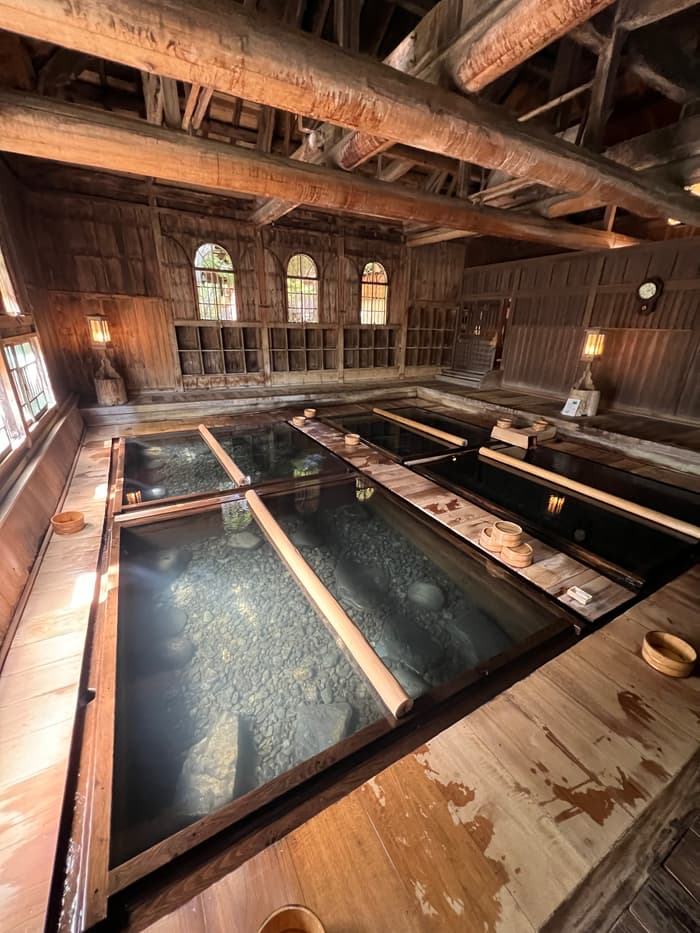
Most historic ryokan have been sympathetically updated, which is another way of saying they have been partially erased. Hoshi Onsen Chojukan has not. The Meiji-era main bathhouse — its cedar frame still load-bearing, its spring jets still rising directly through the bathhouse floor as they always have — is not a reconstruction or a careful homage. It is the original building, doing its original work. What makes this place extraordinary is precisely its resistance to intervention. The architecture does not perform antiquity; it simply occupies it. Guests move through rooms where the proportions, the materials, and the quality of silence have remained consistent across nearly 150 years. In a remote Gunma valley where the nearest conurbation feels genuinely distant, that continuity becomes something close to rare — not because such places were never built, but because so few have survived intact. The mixed bathing hall alone would justify the journey. Steam, stone, and structural timber in a combination that no contemporary project could reproduce, because the ingredient it requires most is time.
Fly into Tokyo Haneda or Narita, then take the Joetsu Shinkansen to Jomo-Kogen Station. A taxi or ryokan shuttle covers the remaining 40 minutes into the mountains.
Late October through early April brings snow to the valley, deepening the contrast between the cold air and the thermal waters — the conditions under which this bathhouse was always meant to be used.
From €180/night
Minakami, Japan
View stay →